Beyond Chatbots: How AI Agents Execute Complex Workflows Unsupervised
Nov 22, 2025
10 min read
4.1K Views
Automation has long been a goal for enterprises, but traditional methods require rigid, pre-defined rules. **Agentic AI** changes this paradigm entirely. Unlike simple chatbots that follow a script or traditional RPA bots that execute fixed steps, an AI Agent is an autonomous system capable of **reasoning, planning, executing multi-step actions, and correcting its own errors** to achieve a complex, high-level goal.
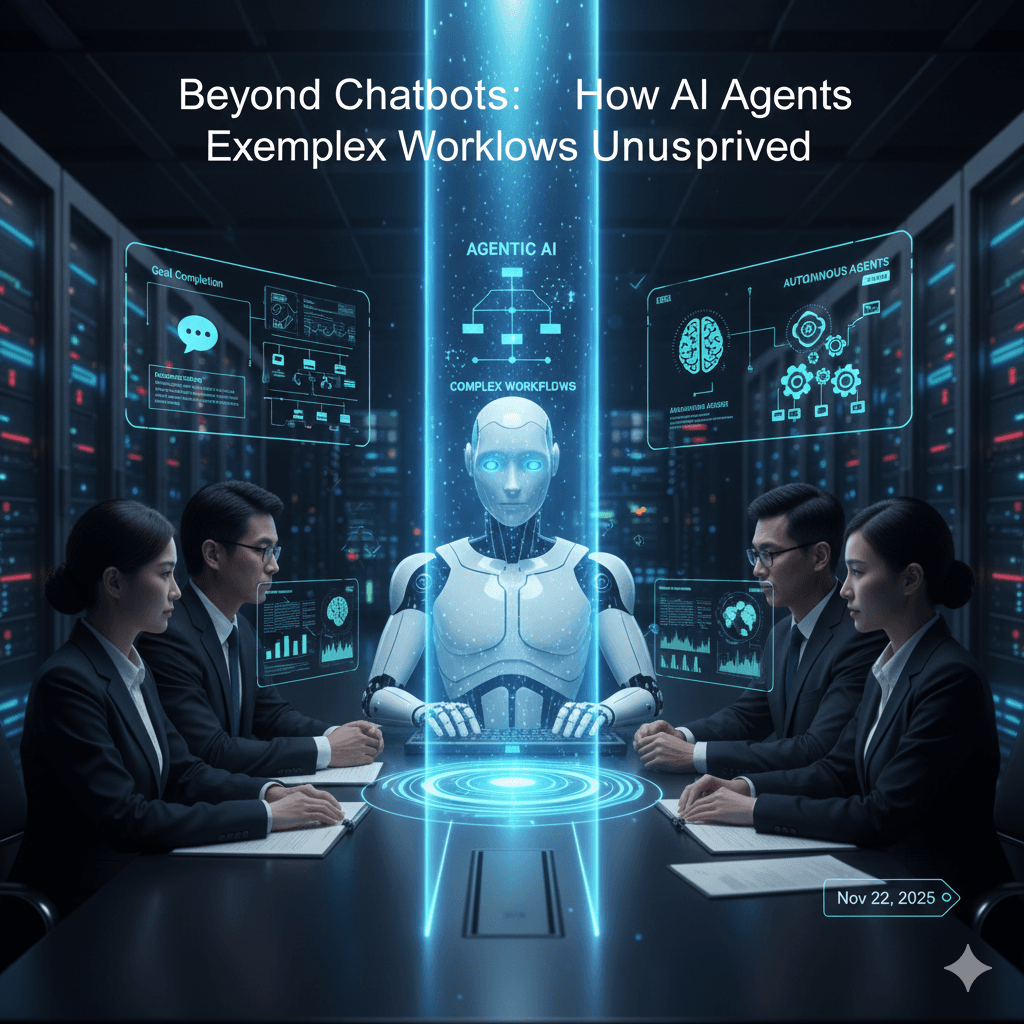
Figure 1: The essential components of an autonomous AI Agent architecture.
1. The Four Pillars of Agentic AI
An effective AI Agent architecture is built upon four critical functions that grant it autonomy:
- Planning: The agent breaks down a complex goal (e.g., "Launch a new product marketing campaign") into a series of smaller, manageable sub-tasks.
- Memory (Short & Long-Term): It tracks past actions and context (short-term) and uses a vector database to recall relevant historical data or documents (long-term).
- Tool Use: The ability to connect with and execute functions in external systems (APIs, databases, CRM, code interpreters) to gather data or perform actions.
- Self-Correction/Reflection: The agent critically assesses its own output and action success, re-planning the workflow if an error occurs or the results are sub-optimal.
2. Real-World Applications for Agent Flow Creation
The true power of **AI Agents** lies in their unsupervised capabilities across high-impact business domains. They move automation from simple repetition to complex goal achievement:
- **Financial Compliance Agent:** Monitors transactions, cross-references regulatory changes (Tool Use), flags suspicious activity, and automatically generates the first draft of an audit report (Planning/Action).
- **E-commerce Merchandising Agent:** Analyzes live inventory and sales data, detects low-stock risks, and autonomously creates new product descriptions (Generative AI) and adjusts pricing tiers across multiple storefront APIs.
- **Customer Service Triage Agent:** Receives a support ticket, identifies the root cause using historical logs (Memory), performs a preliminary fix or account reset (Tool Use), and only escalates to a human with a complete summary of attempted actions.
"The shift from 'instructing' a bot to 'setting a goal' for an AI Agent is the definitive leap into true operational intelligence. It represents the final stage of automation."
3. Overcoming the Complexity Barrier
While the concept of agentic AI is powerful, successful implementation requires deep expertise in prompt engineering, tool orchestration, and setting appropriate guardrails. Our approach ensures agents are not only **autonomous** but also **safe, auditable, and aligned** with your business objectives, driving reliable and predictable ROI.
Ready to launch autonomous agents that tackle your most complex business challenges? Connect with our Agent Flow experts today.