The RAG Revolution: Moving Knowledge from Data Lake to Real-Time Action
Dec 01, 2025
12 min read
3.5K
The promise of Large Language Models (LLMs) is revolutionary, but their greatest weakness is the inability to access and utilize proprietary enterprise knowledge accurately. This is where **Retrieval-Augmented Generation (RAG)** steps in, transforming generic LLMs into domain-specific experts. RAG bridges the gap between static knowledge bases (like your data lake) and the dynamic reasoning of an LLM.
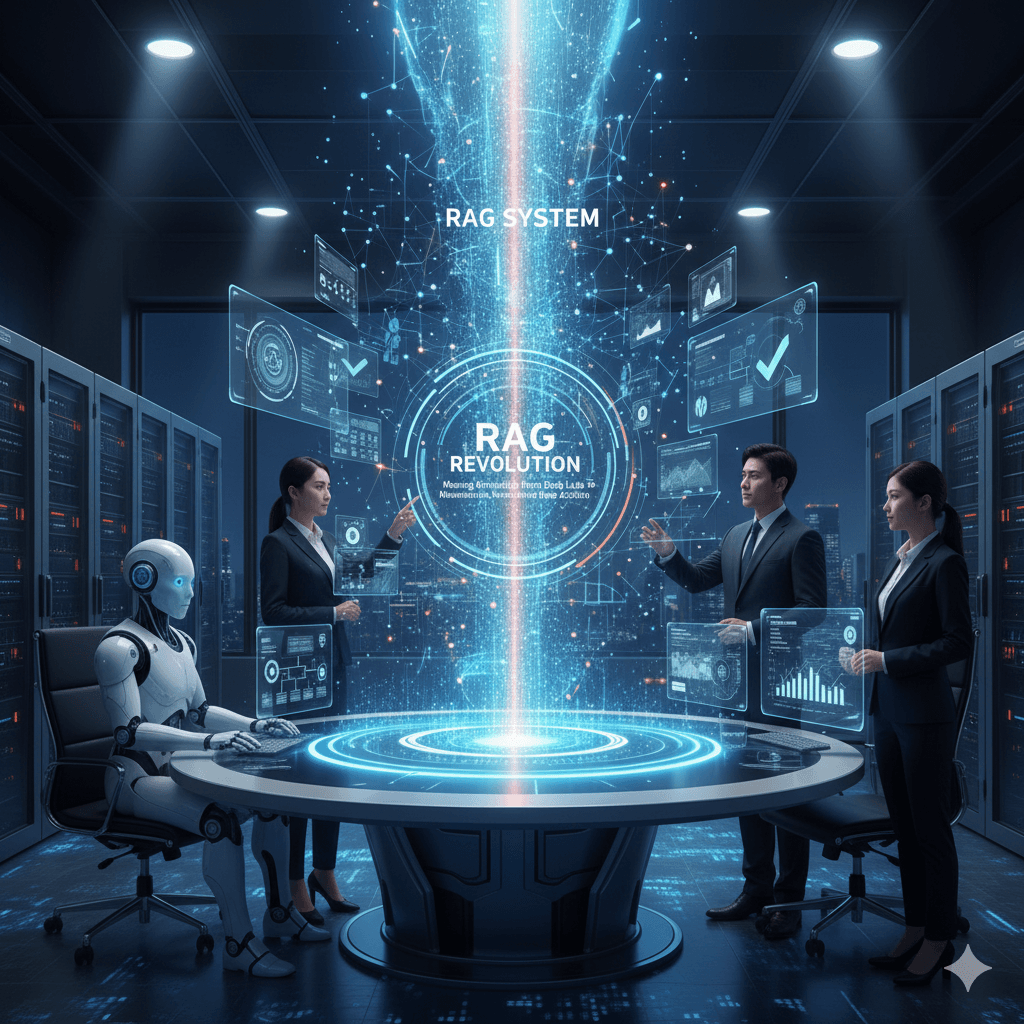
Figure 1: Conceptual Architecture of an Enterprise RAG Pipeline.
1. The Hallucination Problem and Why RAG is the Answer
Standard LLMs are trained on vast, general data, making them prone to 'hallucinations' when asked about specific company policies, confidential data, or technical documentation. RAG mitigates this by allowing the LLM to access **verified, current, and relevant external data sources** before generating a response. This grounding process is crucial for applications in finance, legal, and healthcare.
2. Key Stages of a Robust RAG Implementation
Implementing RAG is a multi-stage process that requires careful engineering:
- Data Chunking & Embedding: Breaking down documents into optimally sized "chunks" and converting them into vector embeddings using models like $BERT$ or $SentenceTransformer$.
- Vector Database Indexing: Storing embeddings in a specialized vector database (e.g., Pinecone, Chroma) to enable fast and accurate retrieval based on semantic similarity.
- Context Retrieval: Using the user's query to search the vector store and retrieve the top $K$ most relevant document chunks.
- Prompt Augmentation: Injecting the retrieved context directly into the LLM's prompt, instructing it to answer **only** based on the provided, verified information.
"The success of enterprise Gen AI isn't about the size of the model; it's about the quality and relevance of the data context you provide it. RAG transforms the 'what if' into the 'what is.'"
3. The Strategic Impact: Why You Need RAG
Implementing RAG provides several competitive advantages:
- **Cost Efficiency:** You can leverage smaller, cheaper LLMs (like $GPT-3.5$ or open-source models) and achieve better results than finetuning a massive model, saving on training and inference costs.
- **Auditability and Trust:** Since the source documents are retrieved, users can trace the AI's answer back to the original text, fulfilling compliance and auditing requirements (Explainable AI).
- **Agility:** Updating your AI's knowledge is as simple as updating the vector database, eliminating the long, expensive process of retraining the entire LLM.
Ready to transform your company's knowledge into a real-time asset? Our specialized RAG engineering team can design, implement, and maintain a secure, high-fidelity RAG system customized for your infrastructure.